
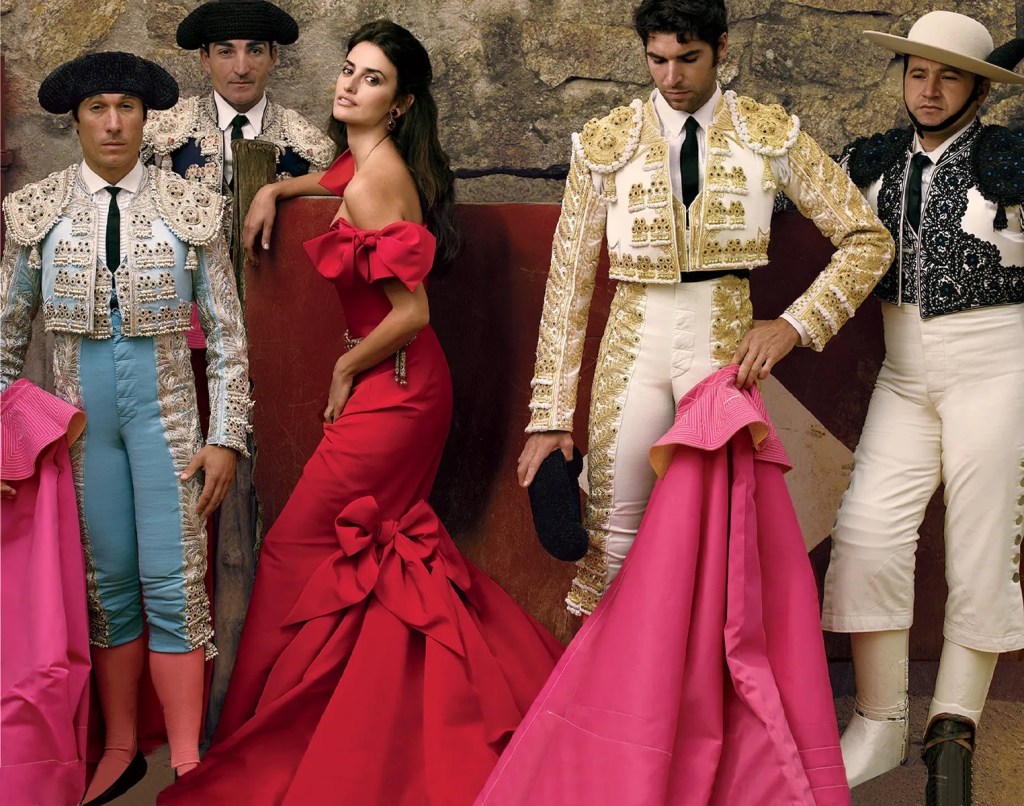
Spain’s contribution to the global fashion industry is as diverse as its rich cultural heritage. From its vibrant traditional attire to the avant-garde designs of its world-renowned fashion houses, Spain’s influence is both historic and modern. Whether through the fiery passion of flamenco dresses or the elegant minimalism of contemporary brands, Spanish fashion continues to captivate audiences worldwide.
Traditional Spanish Attire: A Celebration of Heritage
Spain’s traditional clothing reflects its regional diversity and cultural traditions, each garment telling a unique story.
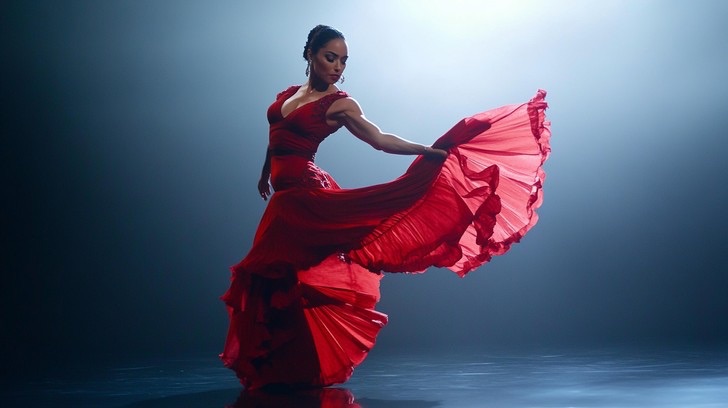
1. Flamenco Dresses (Trajes de Flamenca)
Flamenco dresses are iconic symbols of Spanish culture, featuring dramatic ruffles, bright colors, and intricate patterns. These dresses represent the vibrancy of flamenco music and dance, celebrating life with their bold designs.
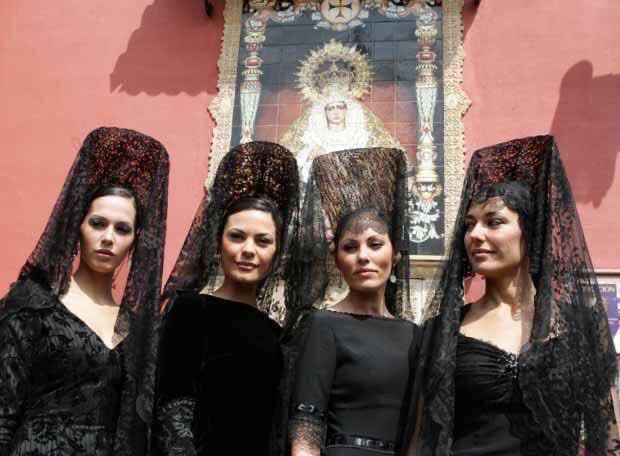
2. Mantilla and Peineta
The mantilla lace veil and peineta comb are timeless accessories often worn during Semana Santa or Spanish weddings. These pieces exude elegance and religious devotion.
3. The Art of Espadrilles
• Originally crafted for the working class, espadrilles have become a summer staple across the globe. Their lightweight and eco-friendly design make them a timeless addition to any wardrobe.
(Shop authentic handmade espadrilles)
Spanish Designers Who Shaped Global Fashion
Spain’s designers have revolutionized the fashion industry by blending traditional Spanish craftsmanship with innovative techniques.
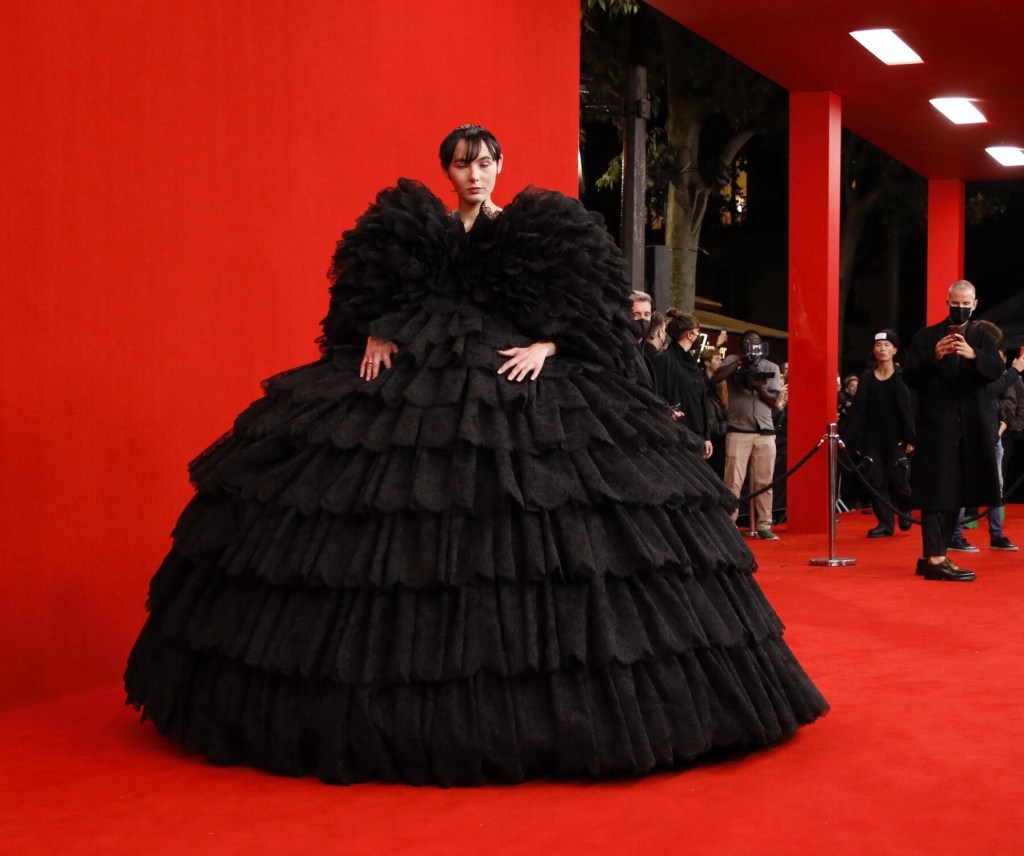
1. Cristóbal Balenciaga: Known as the “father of modern couture,” Balenciaga introduced a sculptural elegance that changed the way garments were designed.
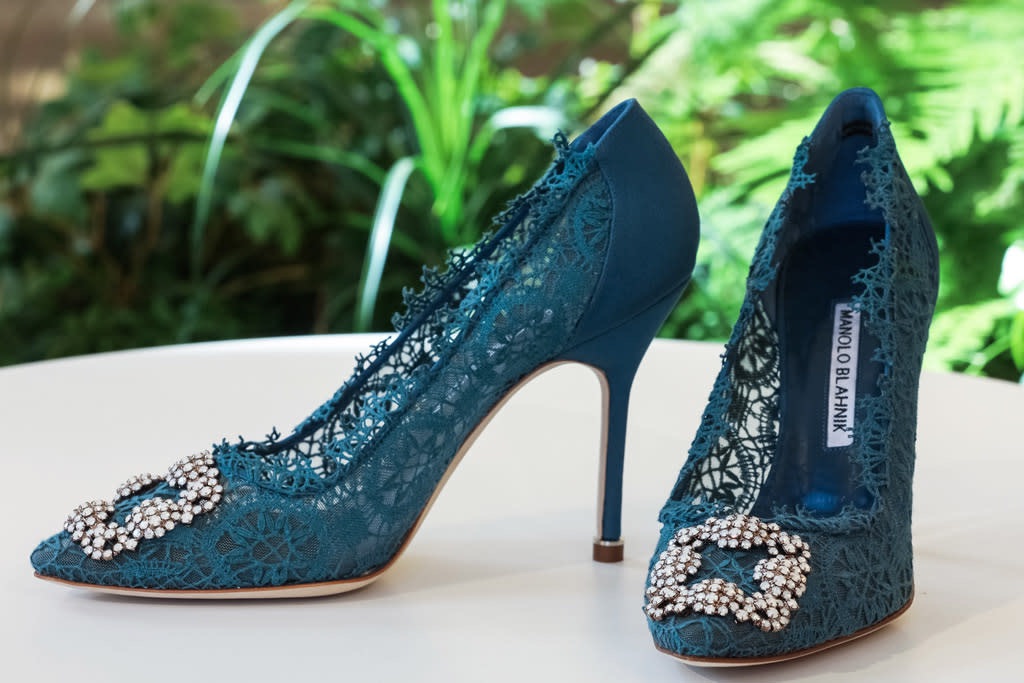
2. Manolo Blahnik: Famous for his luxurious footwear, Blahnik’s Spanish heritage often inspires the vibrant colors and materials in his designs.
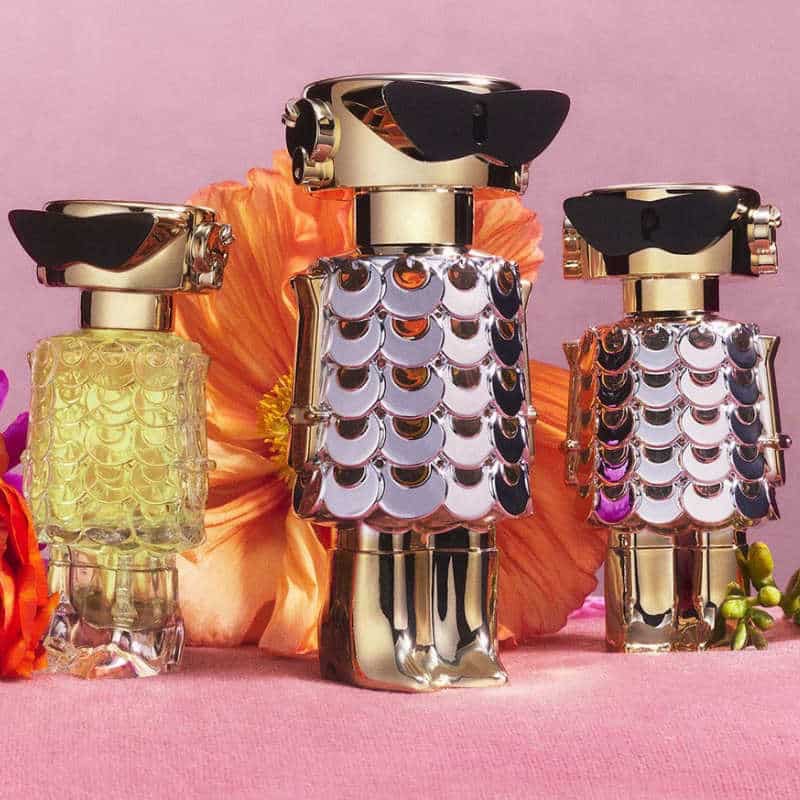
3. Paco Rabanne: His avant-garde designs, often made from unconventional materials like metal and plastic, challenge traditional norms of fashion.
(Explore the legacy of Spanish fashion icons)
Modern Influence of Spanish Fashion
Spain’s fashion industry thrives on its ability to merge traditional elements with contemporary trends.
1. Fast Fashion Giants
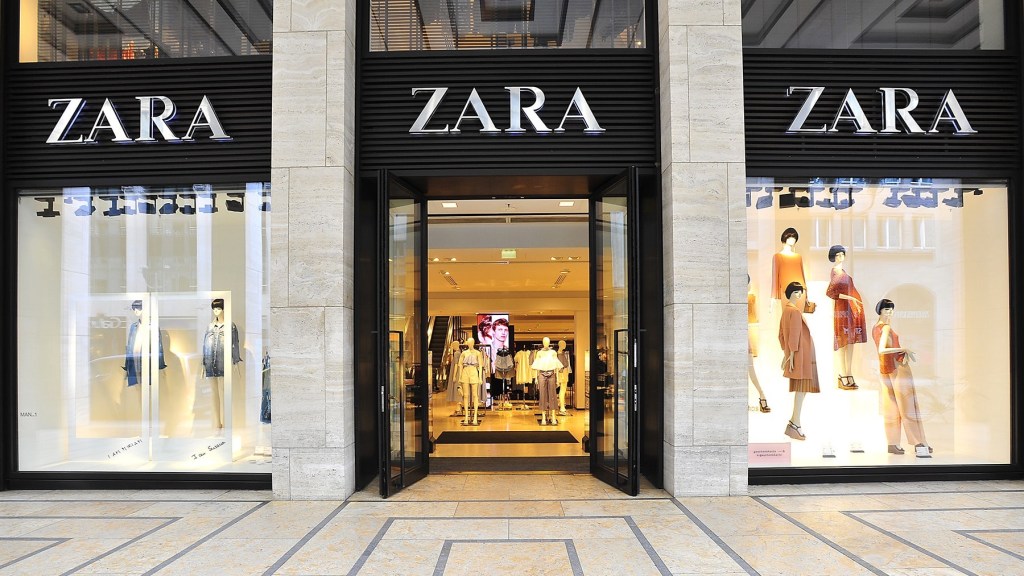
Zara and Mango have revolutionized the industry by bringing high-fashion-inspired designs to the mass market. Their Spanish roots can be seen in the vibrant patterns and bold styles they often incorporate.
2. Revival of Traditional Techniques
Many contemporary designers revisit traditional embroidery, lacework, and silhouettes, infusing them into modern collections.
 The Fashion Equation